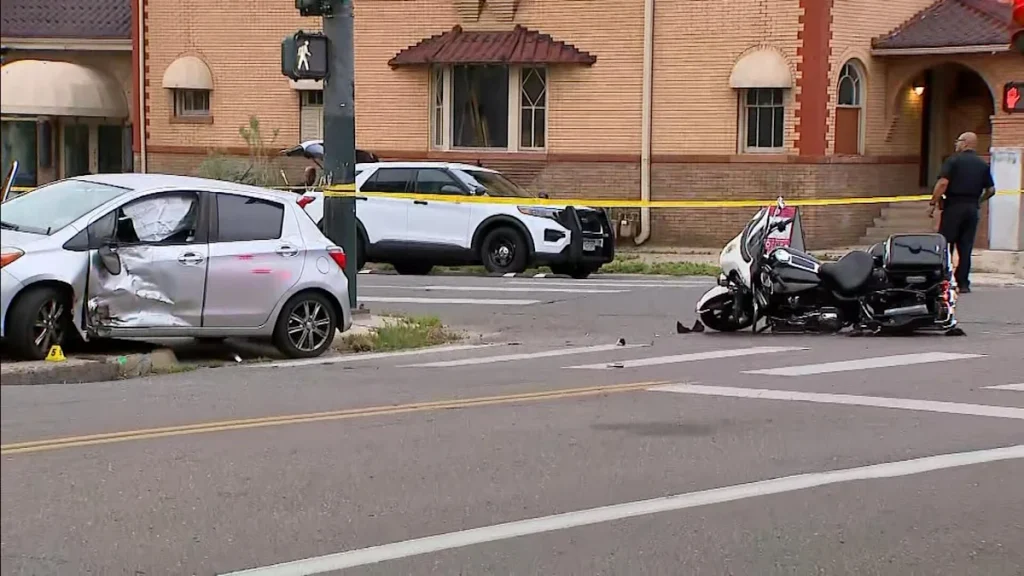
Preserving Evidence After A Motorcycle Crash On Busy Denver Roads
A motorcycle crash can turn an ordinary trip through Denver into a complicated situation within seconds. Riders may have to deal with injuries, motorcycle damage, medical appointments, insurance companies, and questions about who caused the collision. Amid these immediate concerns, one important issue can easily be overlooked: preserving evidence. Evidence can help establish what happened before, during, and after a collision. This can become especially important when drivers, witnesses, and insurance companies provide conflicting accounts. Denver’s busy intersections, commuter traffic, changing weather, and multiple lanes can make reconstructing an accident particularly challenging. Start With The Crash Scene When it is safe and physically possible, documenting the crash scene can provide valuable information. Photographs and videos can capture details that may disappear shortly after emergency crews clear the area. Images should cover more than motorcycle damage. Road conditions, traffic signals, lane markings, nearby signs, debris, skid marks, vehicle positions, and visible injuries may all provide useful context. Taking photographs from several angles can create a clearer picture of the overall scene. Motorcyclists seeking legal help for motorcycle accident in Denver may find that early documentation makes it easier for an attorney to understand how the collision occurred. A legal professional may also identify additional evidence that should be obtained before it is lost or destroyed. Safety should always come first. A seriously injured rider should not risk further injury simply to take photographs. Police officers, passengers, witnesses, or others at the scene may document information that can later become relevant. Collect Information From Witnesses Independent witnesses can be particularly useful when the people involved disagree about fault. Someone waiting at an intersection, walking nearby, riding in another vehicle, or working at a nearby business may have seen events leading up to the crash. Obtaining a witness’s name and contact information can make it possible to reach that person later. Memories can become less detailed over time, so having contact information early can help investigators obtain an account while the incident is still relatively fresh. Witnesses may have noticed details that the rider could not see, such as a driver using a phone, changing lanes suddenly, failing to yield, or entering an intersection unexpectedly. Preserve Digital And Video Evidence Modern motorcycle accident investigations are not limited to physical evidence. Digital information can sometimes provide an important record of events. Denver roads and surrounding properties may have traffic cameras, security systems, doorbell cameras, or dashboard cameras that captured part of the collision. Nearby restaurants, stores, parking facilities, apartment buildings, and other businesses may also operate surveillance cameras. The challenge is that recordings are not necessarily stored permanently. Some systems automatically overwrite older footage. Identifying possible cameras and requesting that relevant recordings be preserved can therefore be time-sensitive. Motorcycle helmet cameras, action cameras, navigation apps, and other devices may also contain useful information. Original files should generally be preserved rather than repeatedly editing or modifying them. Keep The Motorcycle And Riding Equipment A damaged motorcycle itself can contain evidence about the impact. The location and severity of damage may help professionals analyze how vehicles collided. Repairing, selling, or disposing of the motorcycle too quickly could eliminate information that might otherwise be examined. Depending on the circumstances, photographs, mechanical inspections, or accident reconstruction analysis may be appropriate before major repairs occur. The same principle can apply to riding equipment. A damaged helmet, jacket, gloves, boots, or other protective gear may help demonstrate the nature of the impact. Keeping these items in their post-accident condition can preserve information that photographs alone may not fully capture. Maintain Medical Documentation Evidence does not end at the crash scene. Medical records can help connect injuries with the collision and document how those injuries affect recovery. Emergency treatment records, diagnostic imaging, prescriptions, rehabilitation plans, specialist visits, and follow-up appointments can create a timeline of medical care. Riders should also retain invoices and receipts associated with treatment. Following medical recommendations is important for health, but it can also create a consistent record of recovery. Large unexplained gaps in treatment may make it more difficult to establish the progression of an injury. Document Financial And Everyday Consequences A motorcycle accident can affect much more than medical expenses. Some riders miss work, need transportation while their motorcycle is unavailable, or require assistance with normal activities. These losses can be illustrated with the use of pay records, employer communications, repair estimates, transportation receipts, and other financial records. Keeping everything organized in one physical or digital location can make information easier to retrieve later. A simple personal record may also be useful. Notes about pain levels, mobility limitations, missed activities, sleep difficulties, and recovery milestones can help document how injuries affect everyday life. Be Careful With Insurance Communications Insurance companies often begin investigating soon after an accident. Riders may receive requests for statements, medical information, photographs, or other documentation. Providing inaccurate information or making assumptions about the collision can create complications later. It is generally better to stick to known facts rather than speculate about speed, distance, injuries, or responsibility. Social media deserves similar caution. Photos, location updates, or comments posted after an accident can potentially be interpreted differently from what the rider intended. Keeping accident-related discussions private can help prevent unnecessary disputes. Evidence Can Become Harder To Find With Time Busy Denver roads rarely remain unchanged after a crash. Vehicles are removed, debris is cleared, skid marks fade, surveillance recordings may be overwritten, and witnesses become harder to locate. This is why evidence preservation often begins immediately rather than weeks later. A well-documented claim can provide a clearer picture of the collision, the injuries involved, and the resulting financial consequences. By preserving photographs, witness information, medical records, damaged equipment, digital footage, and financial documentation, injured motorcyclists can protect important information while concentrating on their recovery. BenjaminPassionate about creating clear and reliable content on land records, property services, and government digital portals. Dedicated to making official information simple and easy to understand. www.meebhoomionline.org