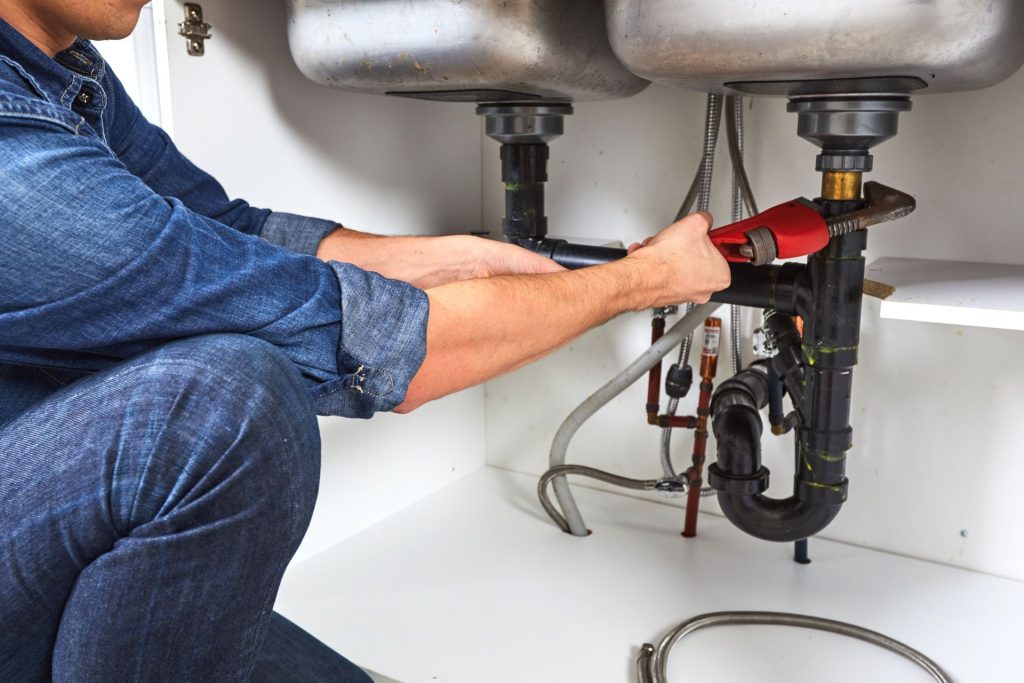
What Happens Behind The Scenes During A Major Plumbing Repair Project?
Replacing broken pipes and repairing leaky connections are just a small part of major plumbing repairs. Every successful project is the result of a well-planned process that involves performance testing, technical planning, material selection, safety considerations, and system assessment. Before a single pipe is removed, a number of crucial choices must be made, even though homeowners often notice the obvious repair work. Gaining an understanding of these tasks helps one appreciate how difficult plumbing restoration is and how crucial it is to finish repairs appropriately. Thorough Plumbing Examinations Prior To Repairs Finding the true cause and scope of the issue is the first step in any significant plumbing job. Even while a leaky pipe could seem like a singular problem, further examination may show corrosion, uneven pressure, or degradation impacting adjacent connections. In order to comprehend how various components interact, plumbing professionals inspect available pipelines, drainage systems, fixtures, and water supply connections. They could use specialized inspection cameras, moisture detection devices, or pressure testing equipment, depending on the circumstances. Professional Plumbing Contractors Houston with experience and results may be used to create a repair plan that does more than just fix outward symptoms. This preliminary evaluation also helps in determining if bigger portions of the system need maintenance or whether specific parts need to be replaced. Developing A Repair Strategy To Reduce Property Disruption The following step is to plan the repair procedure once the issue has been located. Temporary water outages, wall access, or changes to current pipe configurations may be necessary for major plumbing projects. Contractors assess whether residents may continue to use unaffected facilities throughout the renovation, what sections need to be opened, and how plumbing components can be accessed. Determining the proper order of repairs, arranging equipment availability, and calculating material needs are all part of planning. Careful scheduling may minimize needless disruptions when plumbing systems service many kitchens or bathrooms. A well-organized plan keeps the project focused on the essential repairs and prevents workers from repeatedly opening completed surfaces. Choosing Plumbing Materials And Pipes That Work The longevity of finished plumbing repairs is significantly influenced by the choice of materials. Pressure ratings, temperature tolerances, connection specifications, and installation constraints vary across pipe materials. For instance, replacement parts need to be appropriate for their intended uses and compatible with the current plumbing system. For future maintenance, contractors also take accessibility, water quality, and possible corrosion into account. Inadequate fits or joining techniques might result in weak connections that break too soon. Therefore, choosing the right materials lowers the chance of recurring issues and immediately improves system dependability. Setting Up The Workspace And Safeguarding Current Structures It is necessary for professionals to prepare the surrounding area before removing broken plumbing components. Affected lines are emptied, water supplies are disconnected, and adjacent surfaces are shielded from dust, moisture, and unintentional harm. To access hidden pipes, some projects require removing portions of the flooring, drywall, or cabinets. To prevent needless structural damage, these openings should be properly designed. Plumbing installations may also be close to ventilation systems, electrical cables, and other building elements. Recognizing these possible risks helps in preventing more harm while repairs are being made. Expert preparation facilitates more effective access to damaged plumbing parts and creates a safer working environment. Fixing Broken Parts And Fixing Connections In the actual repair step, faulty parts are removed, and appropriate replacements are installed. This might include replacing corroded supply lines, adjusting drainage slopes, fixing broken joints, or changing pipe connections, depending on the project. In addition to securing pipe supports and adhering to relevant installation specifications, technicians must ensure correct alignment. Long-term performance may be impacted by even small mistakes in pipe placement or connecting techniques. Professional Plumbing Contractors with Qualified Teams in Houston also think about how new parts will work with existing parts of the system. When repairs need several pipe materials or plumbing installations that are finished at various dates, this is very crucial. Conclusion Careful coordination between diagnosis, planning, installation, and testing is essential for large-scale plumbing repair projects. Every step adds to the finished product’s durability, efficiency, and safety. Homeowners may appreciate the technological choices made and understand why comprehensive repairs need more than simple fixes by knowing what goes on behind the scenes. A well-managed renovation helps shield the property from potential issues while restoring plumbing functionality. BenjaminPassionate about creating clear and reliable content on land records, property services, and government digital portals. Dedicated to making official information simple and easy to understand. www.meebhoomionline.org